



Drugging Our Children into Compliant Behaviors - #ADHA #Drugs #Medication - https://defenseofournation.com/uncategorized/drugging-our-children-into-compliant-behaviors/
Drugging Our Children into Compliant Behaviors - #ADHA #Drugs #Medication - https://defenseofournation.com/uncategorized/drugging-our-children-into-compliant-behaviors/
DEFENSEOFOURNATION.COM
Drugging Our Children into Compliant Behaviors
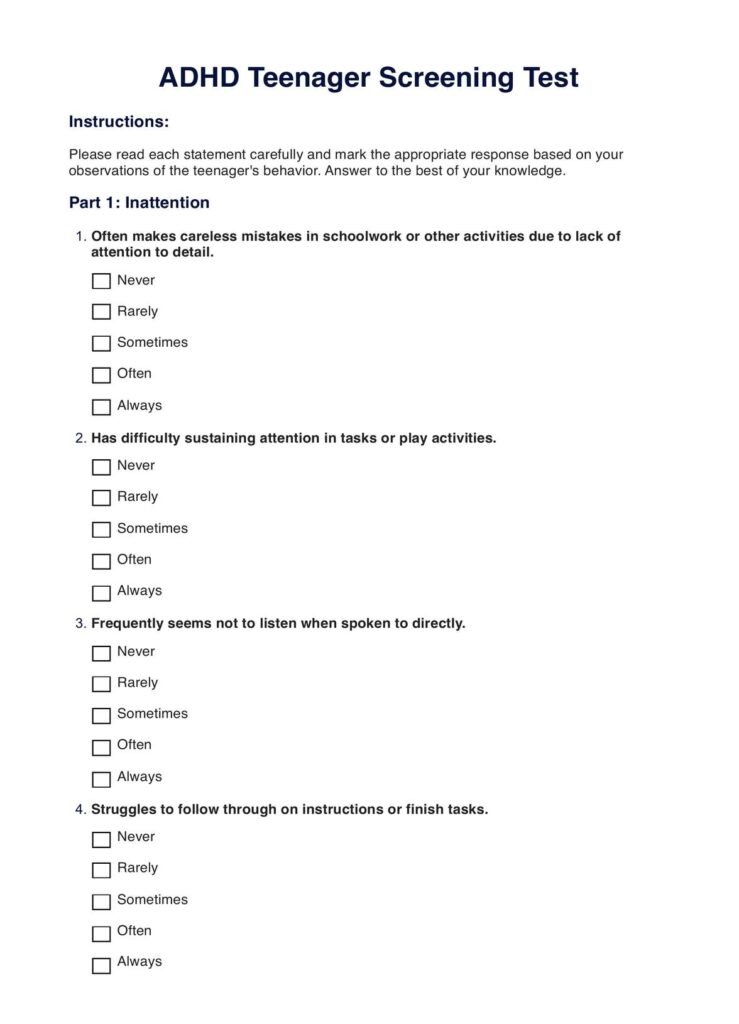
In my last article I discussed the issue of mental health and the fallacy that someone can suffer from a “mental illness.” It is a fallacy because there is no objective criteria defining what a mental illness is. There is also no biological marker that can be identified and treated the way traditional diseases are. For decades, people have been prescribed powerful psychotropic drugs based on nothing more than observations of behavior, and the false claim that they are suffering from a chemical imbalance in the brain. There are no tests, aside from behavioral surveys which attempt to ascertain a person’s state of mind, that are given to prove this imbalance exists. Yet, the psychiatric drug industry rakes in nearly one hundred billion dollars annually trying to correct an anomaly that can’t be scientifically proven. There is little doubt that people suffer from emotional distress and periods of sadness in their lives. However, these conditions are being treated as actual diseases in much the same way as cancer or the common flu. Alarmingly, this is happening in our children’s schools as well. Teachers across the country have been empowered to observe behavior and make referrals for psychiatric treatment if a child can’t sit still for long periods of time. This behavior is commonly known as ADHD, and children are often prescribed Ritalin, which is a powerful stimulant that causes more problems such as suicidal ideation and heart problems. In this article we are going to look at the diagnosis of ADHD and evaluate the evidence that our children are being prescribed these mind-altering drugs based on nothing but behavior alone. We will also see how Ritalin plays a role in persuasion and attitude change as well. As of now there are over six-million children prescribed some type of psychotropic drug. Half of this number represents children that have been diagnosed with, and prescribed medication for, attention deficit hyperactivity disorder. As many as fifty-eight-thousand children under the age of five are taking medication for ADHD. That is a concerning number considering the term ADHD is used to describe a set of common behaviors as an actual medical disease. According to an article in Time Magazine, by Dr. Richard Saul, ADHD exists only as a set of observable behaviors. These behaviors can apply to anyone. In fact, to receive a diagnosis of ADHD, an individual only need to display five of eighteen listed symptoms. These symptoms include simple things like lack of attention to details, difficulty staying on task, trouble listening, disorganization, forgetfulness, being easily distracted, chronic restlessness, fidgeting, getting out of your seat too often, talking excessively, and always being on the go. These symptoms are little more than behaviors that anyone of us can experience, and at the same time, seem specific to behaviors exhibited by children in the classroom environment. Yet, they are being used to describe and define a medical disease as opposed to behaviors caused by any other social or environmental factor. According to the book The ADHD Fraud: How Psychiatry Makes Patients of Normal Children, ADHD was never discovered as a disease but was voted into existence in 1987 by the American Psychiatric Institution. In fact, the invention of this fictitious disorder goes back to 1968, when during the creation of the DSM-II, Leon Eisenberg used the term “hyperkinetic reaction of childhood” to describe the symptoms that are currently known as ADHD. This is significant for several reasons. One, before his death in 1987, Eisenberg admitted the fallacious nature of his made-up disorder by saying “ADHD is a prime example of a fictitious disease.” He admits there is no scientific proof that the set of behaviors associated with the diagnosis are caused by any identifiable biological marker. Despite this revelation, ADHD is still considered a major neurological disease requiring the use of powerful stimulants to treat it. Furthermore, the creation of the DSM-II itself, which Eisenberg was a party to, was wrought with problems all its own. According to an article entitled How Voting and Consensus Created the Diagnostic Statistical Manual of Mental Disorders (DSM-III), the DSM-II was seen as an imprecise diagnostic tool in need of major revisions. This led to the creation of the DSM-III, which isn’t much better. According to the same article, the DSM-III was seen as problematic as well, as it advocated the prescribing of psychotropic medicines for problems caused by “socially induced suffering,” or what Thomas Szaz calls, problems of living. In other words, everyday problems that all of us experience, which can lead to feelings of stress, sadness or even excessive worry, have now been classified as mental illnesses. The fifth edition of the DSM has over three-hundred-fifty diagnoses of mental disorders covering just about every known behavior there is, along with a diagnostic billing code to go with it. The most common drug prescribed for children who have been wrongly labeled as having ADHD is Ritalin. Classified as a schedule II narcotic, Ritalin shares many characteristics with cocaine concerning the way it works on the brain. Both are stimulants and increase alertness and focus which makes Ritalin an ideal drug for dealing with the restless and fidgety behaviors being called a disease. While it does have a calming effect, leading to a child having more focus, this is not a long-term benefit of the drug. According to Dr. Peter Breggin Ritalin suppresses the natural inclination to be active, innovative and curious about learning. In fact, he says children on Ritalin tend to be more compliant, submissive and manageable. This is alarming as your child’s teacher likely plays a role in identifying, diagnosing and treating behaviors that are regularly associated with ADHD. “The role of the teacher as a sickness and treatment broker for ADHD has been elaborated more clearly for ADHD than for any other childhood disorder. The DSM-IV diagnostic criteria accord teachers a formal role in diagnosis through specialized assessment instruments such as the Conners Teacher’s Rating Scale. Teachers often agree to administer psychostimulant medication during the school day, although in Australia, the UK and United States, there is no legal compulsion to do so. A subtle incentive for teachers to administer medication in the middle of the day may be the assurance of a tractable child in the afternoon.” (Philips, 2006) That is an alarming revelation. The idea that a parent could send their child to school and the teacher, on his or her own accord, is giving that child drugs, is a problem that needs addressing. As noted earlier, Ritalin is seen as an ideal drug not only for its calming and sedative effects, but its potential to control and shape the minds of children under its spell. According to an article entitled Medicating Children: The Case for Ritalin, the behavioral changing attributes of the drug are well known. In fact, Perring argues that it is important to find the right framing to encourage the use of these drugs as new ones, more capable of molding and controlling children’s behaviors, are being developed. Her suggestion is that this be framed in a way that alleviates fears of children being drugged and labeled as mentally ill by claiming its use improves school performance. This isn’t true. There is a correlation, however, to increased suicide attempts and psychotic behavior associated with the long-term use of Ritalin in adults as old as forty. As demonstrated earlier, children as young as five are being prescribed these drugs and many of them use the drug into adulthood. Another interesting point concerning the behavioral changing attributes of Ritalin is that is has been shown that attitudes towards values and controversial topics can be changed while under the drugs influence. According to Dr. Breggin, the concept of ADHD was developed to rationalize a preexisting motivation within medicine and psychology to use stimulant drugs to control the behavior of children. He said the diagnosis evolved as a list of convenient behaviors that could apply to any child during their normal development, that could be viewed as disruptive to the teacher and the learning process. ADHD is a fictitious disease with no proof that it actually exists outside of simple, observable behaviors we all exhibit at times. Thomas Szaz, in The Myth of Mental Illness, attributes this reality to all mental disorders. He says that actual diseases manifest themselves in ways that can be pinpointed and identified in the body. This simply isn’t the case with mental disorders. Yet, powerful antipsychotics, stimulants and antidepressants are being prescribed not only by psychiatrists, but regular primary care physicians, and as shown earlier, even teachers. People do experience emotional problems, stress, anxiety and many other things that will affect the way they behave and function. However, it is important to understand that the only thing a drug will do in these cases is numb the symptoms and suppress emotional affect, while leading to destructive and often times, violent behavior towards others. A new approach is needed. If you enjoyed this article, be sure to be looking out for my latest book, The Psychology of Persuasive Propaganda: The Things You Should Know. In the meantime, you can check out – Without a Shot Indeed: Inducing Compliance to Tyranny Through Conditioning and Persuasion. and A Critical Look at CRT in Education, Research and Social Policy Copyright 2026 Property of David Risselada and defenseofournation.com

 English
 Arabic
 French
 Spanish
 Portuguese
 Deutsch
 Turkish
 Italiano
 Russian
 Romaian
 Portuguese (Brazil)
 Greek
Greek